

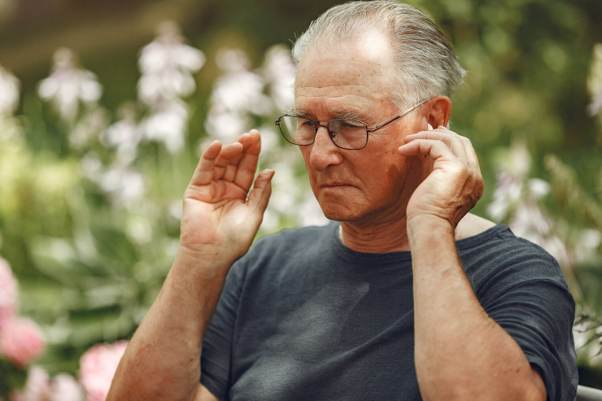

Retirement becomes a chance to experience something new, spend time with family members and relatives, and engage in one’s own favorite activities. Sometimes hearing problems may make people have difficulties with some routine actions. Hearing loss associated with aging happens quite often; however, there exist ways that can help people preserve their independence and engage in meaningful conversations. Below are the recommendations that will help you.
Schedule Regular Hearing Tests
The best way to ensure the proper functioning of one’s hearing is to have it monitored through regular tests. Changes in hearing are usually gradual and hard to detect at first. One may find it increasingly difficult to understand people during conversation, may need to change the volume of television constantly, or be annoyed by noise in the background. This way, any possible problems can be diagnosed and treated at an early stage before they impact one’s everyday life. It is easy to conduct an examination of one’s hearing and discuss results with specialists who will also provide necessary advice.
Protect Your Ears From Excessive Noise
While hearing problems are common among older people, exposure to loud noises will make hearing problems occur faster. During retirement, there are numerous chances to go to different places to listen to music, take part in activities, do various things, or go outside. But there are some places where you may have to endure potentially damaging noise levels. It is good to use the right earplugs in such cases because this can limit your exposure to loud noises and protect your hearing mechanisms. Do not use headphones when listening to music at very high volumes. When the noise level becomes uncomfortable, try moving away from the sound source.
Explore Different Hearing Aid Options
Among the best treatment options for those suffering from age-related hearing problems are hearing aids. Today there is a variety of types and sizes of hearing aids available to people, making it possible for them to select what would best fit their requirements. There are behind-the-ear, in-the-ear, and even invisible hearing aids available, which have their own strengths when it comes to comfort and performance. Many modern hearing aids also have Bluetooth capabilities and even noise reduction. But before purchasing any device, visit an audiologist and get recommendations about appropriate equipment. Take the time to find out which hearing aids are free for pensioners and whether additional financial support is available. This can make hearing care considerably more accessible.
Maintain Healthy Lifestyle Habits
The overall health condition of an individual can contribute to determining the effectiveness of the auditory system as well. Diseases of the circulatory system, including hypertension and diabetes, can be the reason for hearing issues. Eating healthy food, taking part in sports activities, and getting adequate sleep are ways of maintaining a good health condition. Nutritious food that consists of antioxidants, healthy fats, and vitamins is needed by the body. Sports activities help in keeping the heart healthy, which contributes to ensuring the proper flow of blood in the body. Not smoking and not drinking excessively are other choices to consider. A healthy lifestyle does not cure age-related hearing loss but may minimize some risks.
Improve Communication at Home
Minor changes to the environment can greatly facilitate the communication process for retirees having difficulties with their hearing ability. Start with the reduction of any existing noises around you. It is suggested that you should switch off all the TV sets and keep your windows shut while choosing silent places. It is advised to ask your family members and friends to make sure that they face you and look you in the eyes. Enough lighting would enable you to see facial expressions and lip movements. In case you have to, then it is suggested that you use some special listening equipment like captioned phones or closed captions on TV. These practical adjustments encourage more comfortable interactions and help prevent hearing difficulties from becoming barriers to social participation.
Consider Professional Hearing Rehabilitation
The maintenance of one’s hearing health does not merely involve getting the appropriate equipment. Rehabilitation services provided by professionals can enable you to cope with the hearing changes and learn how to communicate properly. You might be advised by the audiologist on the need to undergo auditory training so that you can easily comprehend speech and sounds. There might also be counseling sessions that can address the mental concerns related to hearing problems since these can become sources of frustration and loneliness. Support groups are also great forums where one can exchange experiences about how to cope with hearing problems.
Having good hearing abilities will help you have better experiences during your retirement period because you will be able to socialize and interact with people. With hearing evaluation, good hearing aid devices, healthy habits, and good communication skills, you will enjoy better auditory experiences during your retirement years.

