


The thermal comfort of your loved ones will be directly influenced by the passive/active measures you take to keep your property’s roof cooled during the hot summer days. Perhaps it’s not the first thing we think about when debating ways to improve the thermal efficiency of our dwelling, but just consider this for a second. Sydney managed to top 42°C twice in summer for the first time in 13 years.
Likewise, the average summer temperatures for NSW are on a constant rise. We live in a country with a changing climate; summers are getting hotter, humidity in coastal areas is becoming unbearable, and this has a direct impact on our thermal comfort inside the house and the electricity bills we are expected to pay. But it doesn’t have to be this way.
You, personally, cannot stop the changing climate; that’s true. However, there are ways to make your property more thermally resilient and reduce your active cooling needs during the hottest of days. Solar-powered roof ventilation can be an intelligent way to keep your property cool during heatwaves, eliminate the stagnant air in the cavity above your ceiling and make it easier to cool down your rooms without significantly increasing your AC usage.
Is Solar Roof Ventilation in Sydney Necessary?
For NSW-based properties, the answer, usually, is yes. Since summers here are hot, and the roof design of most buildings facilitates the installation of solar roof ventilation, tools like these can be a good way to:
· Reduce your electricity bills during the hot weather
· Keep your property cool even without active cooling
But there is also another benefit. Proper roof ventilation solutions can be a way to manage excessive moisture, which, if left unchecked, could contribute to the appearance of insulation-damaging mould.
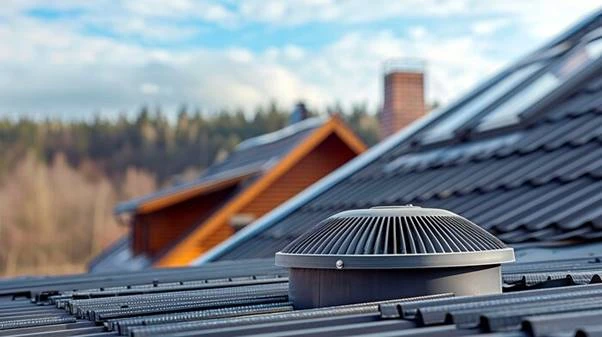
By regulating your roof’s temperature and humidity, the insulation of your roof could potentially last longer before needing replacement; thus, the ROI of solar-powered ventilation tools is usually more than positive. That said, the efficiency of a solar-powered roof ventilation solution will depend on the quality of your roof’s insulation, the sealing of the ceiling, and the overall square footage of the attic space.
Roof ventilation systems can be a good way to keep your upper rooms from overheating and reduce specific roof-space moisture issues, as you will harness the power of the sun to make a difference where it matters. But the efficiency of the selected solution will depend on the roof design. Are you the owner of a large house? Then, maybe more than one ventilation unit will be required.
Can’t a Window Work as Well?
For the most part, no, as the airflow facilitated by the installation of a solar-powered roof ventilation solution can be impressive, to say the least, even on windless days. A good ventilation system powered by the sun can move up to 2,000 m³ of air per hour, and since these solutions come with built-in thermostats that can adjust operations automatically, your involvement in the cooling process could be kept to a minimum.
But the biggest benefit is the solar-powered operation. Sydney has an average of 2628 sun hours per year. This is pretty much free energy, and in a country in which temperatures are rising year after year, all these sunny days represent a way to garner electrical energy, which can be utilised to cool down your property.
Solar-powered operations mean you don’t need mains for wiring, and you will not need to worry about ongoing electrical costs. You use the sun to eliminate the warming effects of the sun. It just works, and the warranty on solar panels is advantageous, as their reliability makes them incredible acquisitions from a price-to-quality standpoint.
How Does Solar Roof Ventilation in Sydney Work?
To make it short, the solar panel captures sunlight, converts it into power that is then transferred to the ventilator’s fan, which then starts to actively extract the air from the roof cavity, allowing trapped heat to escape and excessive moisture to be eliminated.
The whole system works via an automatic thermostat that can adjust the fan’s operation based on temperature, and, as mentioned before, the 18-volt motor of the fan system is capable of moving 2,000 m³ of air per hour.
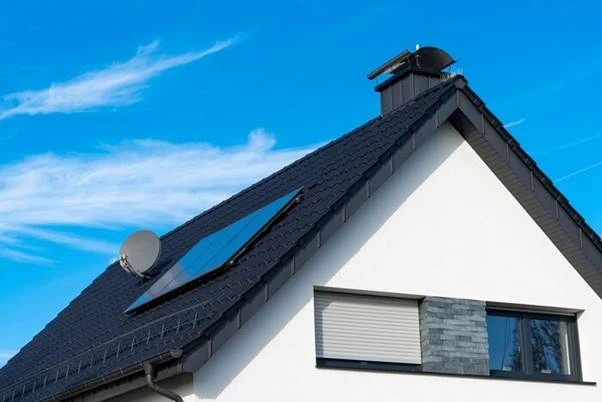
Plus, if required, the cooler can be connected to the property’s mains, which can allow the system to run even at night, with the cooler switching back to solar operation once the thermostat reaches 25°C. The whole system is quite clever and is more efficient than solar whirlybirds, as the volume of moved air is higher.
What Can Be the Impact on Your Electricity Bills?
The rising temperatures in our city have a direct, negative effect on our electricity bills. As of October 2026, the typical NSW usage rate with Ausgrid comes at a median value of 31.56c per c/kWh with a median supply charge of 157.91c per day. This means the median annual bill, for a property situated near the Central Coast, will come to A$1,814 (3,900 kWh). That’s not exactly cheap, and a significant percentage of this cost can be eliminated by the installation of a solar-powered roof ventilation system.
By reducing the need for AC, the impact of heatwaves can be diminished, and your electrical bills could see major reductions. According to the Australian government, heating and cooling solutions can account for 20% to 50% of properties’ energy usage, depending on the area. Since it eliminates trapped air, a solar-powered roof ventilation system can significantly reduce the amount of heat trapped under your roof, eliminate the need for constant air conditioning, and make your electricity usage go down, even on the hottest Australian summer days.
Now, of course, the efficiency of a solar roof ventilation system will depend on the insulation of your roof and how many ventilators you have installed. But as a whole, solar-powered ventilation solutions represent one of the best ways to cool down your property’s upper levels, without making a significant dent in your budget.

